
B2B supplier of premium acacia (robinia) timber products since 2015. Serving buyers and distributors across the DACH region and Europe.
Most buyers configure their items in the shop and get a formal offer — price, lead time and freight — within one business day. The short inquiry form is for anything the shop doesn't cover.
I know the products, dimensions, quantities and a desired delivery date. Configure each item, drop it into the cart, submit as a formal quote request.
Exploring, or need something the shop doesn't list? Send a short question instead.
Pick dimensions and quantity, add to your quote, repeat. Submit when ready — we return a formal offer within one business day.
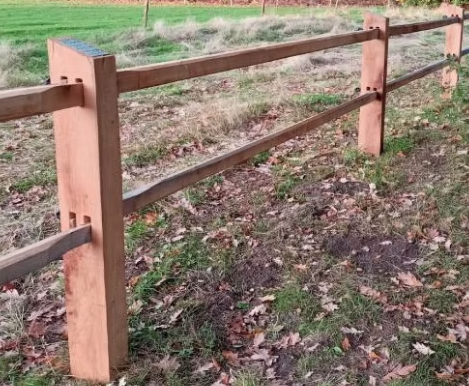
Sawn acacia beams, posts and rails to your cross-section. Standard and bespoke dimensions for fencing, viticulture, landscaping and structural use.
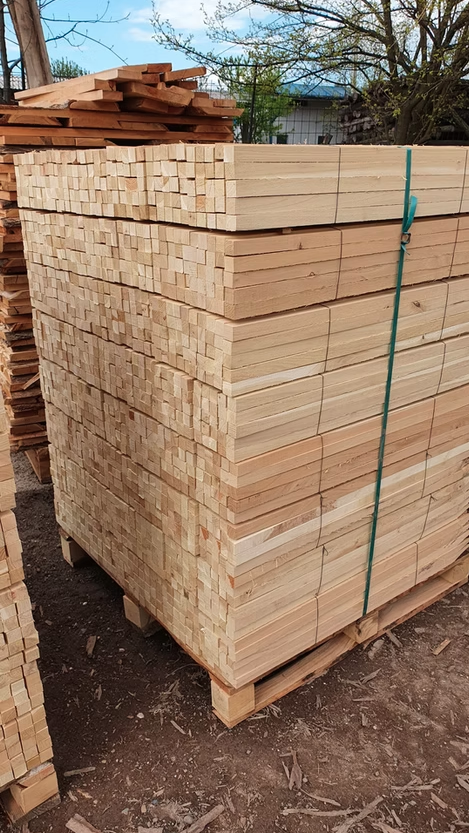
Pointed acacia stakes for vineyards, gardens, and agricultural use. Available in a range of cross-sections and lengths.
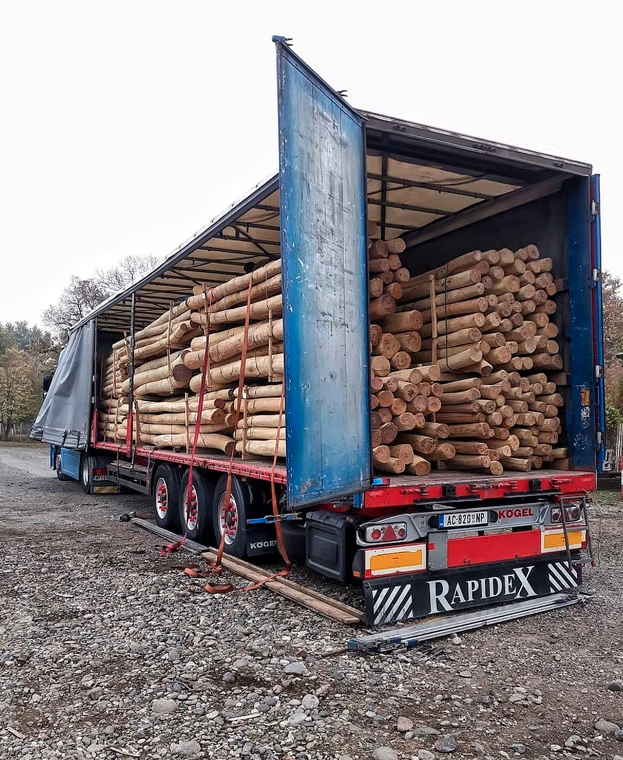
Machine-sanded surface bringing out the natural grain. Ideal for visible surfaces in garden construction and outdoor furniture.
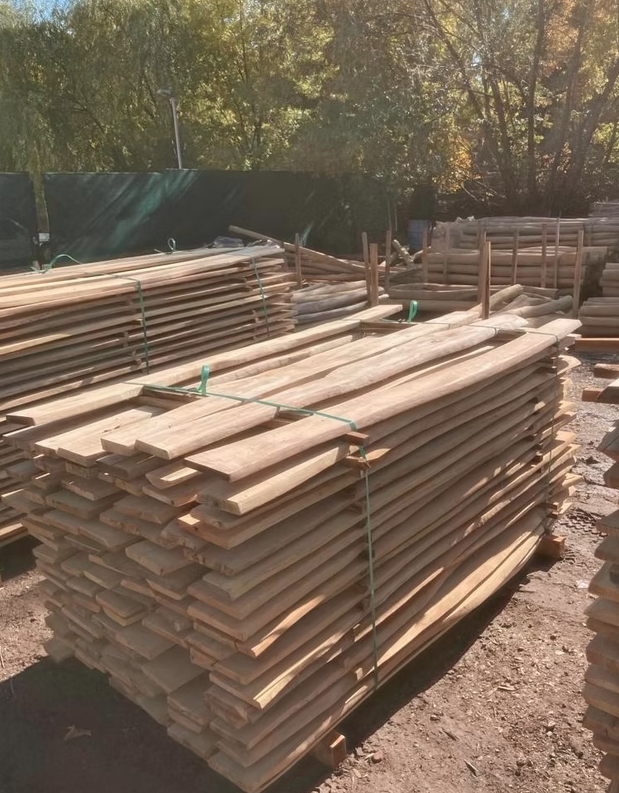
Sawn acacia boards in A/B quality. For decking, cladding, garden furniture, and construction. Various lengths available.
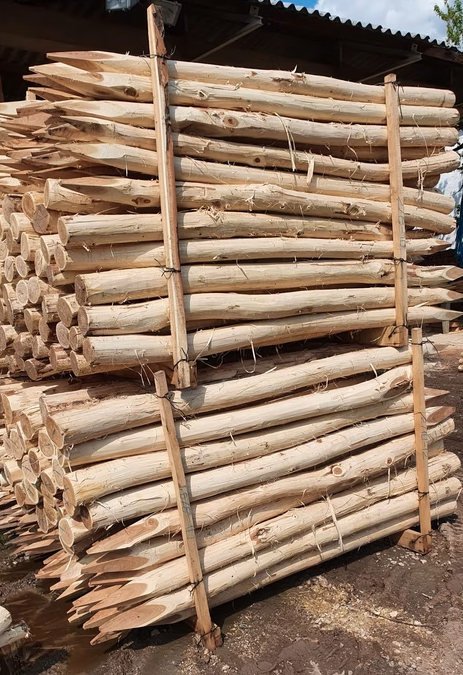
Clean, debarked and pointed round poles. Classic acacia quality for fencing, playgrounds, vineyard stakes, and agricultural use.
Acacia (Robinia pseudoacacia) is the hardest and most durable hardwood native to Europe — outperforming all other domestic species, requiring no chemical treatment even in ground contact.
The only European species rated Class 1 (very durable) under DIN EN 350 — the highest natural durability rating for any European-grown timber.
Natural rot resistance from the heartwood. No toxic preservatives required — better for the environment and for end users.
Typical lifespan in direct soil contact. Above ground and protected: 60+ years without maintenance.
Brinell hardness of 40–48 N/mm². Dense, stable, and highly resistant to wear — making it ideal for demanding outdoor applications.
Serbia is one of Europe's largest producers of Robinia pseudoacacia timber. The continental climate produces denser, straighter acacia than Central or Western Europe — better heartwood yield, higher durability, and competitive pricing.
Direct replacement for tropical hardwoods with a shorter supply chain, lower CO₂ footprint, and comparable performance — sourced right here in Europe.
Are you a timber trader, distributor, or manufacturer looking for a reliable, high-volume acacia (robinia) supplier in Serbia? We are one of the leading B2B robinia wood exporters in Southeast Europe — we supply the raw material behind the brands.
Same species, same growing region, same processing standards — batch after batch. We work to your specifications.
We handle full truck loads and multi-container orders. Flexible on dimensions, packaging, and delivery schedules.
Phytosanitary certificate, certificate of origin, fumigation certificate, customs documentation — all covered.
Debarking, pointing, sawing, brushing, cutting to length. Tell us what your customers need and we'll produce it.
We prefer stable, multi-year supply agreements over spot transactions. Let's build something that works for both sides.
Direct contact with production. No middlemen. You know who you're dealing with and where your wood comes from.
We respond to all trade enquiries within one business day.
Founded in 2015 in Kraljevo, Serbia, DAS Handel has grown into one of the region's leading acacia (robinia) wood producers and exporters. Serbia is home to over 300,000 hectares of acacia forest — one of the largest Robinia pseudoacacia reserves in Europe — and we operate our own processing facility at the heart of this resource, working directly with forest owners across the region.
Following our merger with Cronoswood, we continue as DAS Handel d.o.o. — a stronger, more capable operation with expanded capacity and an experienced team dedicated to quality at every step.
DAS Handel is committed to responsible forest management. Our acacia is sourced from sustainably managed forests certified under the Forest Stewardship Council® framework — ensuring environmental, social, and economic benefits for forests now and in the future.
Acacia requires no chemical treatment to last decades outdoors. It grows abundantly in Serbia's managed forests. Choosing acacia over pressure-treated softwood or imported tropical hardwoods means less chemistry, fewer food miles, and better long-term value for the end user.
Use the shop. Configure each item with its dimensions and quantity, add it to your quote request, and submit — you receive a formal offer with prices, lead time and freight within one business day. No account is needed. The short Price Request form at the bottom of this page is for general questions instead: pricing ranges, lead times, or whether we can produce something you cannot find in the shop.
Yes. We saw acacia (Robinia pseudoacacia) beams, posts and rails to your required cross-section, from 3×3 cm up to 15×15 cm, in lengths from 100 to 300 cm. Holes can be pre-drilled and ends pointed on request. These are quoted from the Sawn Timber & Post/Rail item in our shop — enter your thickness, width and length directly. Minimum order is one truck, roughly 20–25 m³.
Acacia wood refers to timber from the black locust tree (Robinia pseudoacacia), the only European hardwood rated Durability Class 1 under DIN EN 350. It is naturally rot-resistant, exceptionally hard (Brinell 40–48 N/mm²), and requires no chemical treatment — even in ground contact. It is widely used for fencing, outdoor furniture, decking, vineyard stakes, and playground equipment across Europe.
Serbia is home to over 300,000 hectares of acacia (robinia) forest — one of the largest reserves in Europe. The continental climate of central Serbia produces denser, straighter timber with superior heartwood yield compared to Central or Western European sources. Serbian acacia offers outstanding quality at competitive prices, with short transport routes to the DACH region and all of Europe.
No. Acacia (Robinia pseudoacacia) is naturally rot-resistant due to its dense heartwood. It is the only European species classified as Durability Class 1 (very durable) under DIN EN 350, lasting 20–25 years in direct ground contact and 60+ years above ground — all without chemical preservatives or pressure treatment.
Yes. Acacia (robinia) grows abundantly in Serbia's managed forests without requiring plantations. It is a direct replacement for tropical hardwoods, offering comparable durability with a much shorter supply chain and lower CO₂ footprint. DAS Handel sources from forests certified under the Forest Stewardship Council (FSC) framework, ensuring responsible forest management.
No. You can configure products and submit a quote request directly from the cart without registering. We respond by email within one business day.
DAS Handel supplies B2B orders with a minimum of one full truck load — approximately 20–25 m³ depending on the product and stacking method. We do not supply individual pieces or small retail quantities. For multi-container or regular supply volumes, we offer flexible delivery schedules and long-term supply agreements.
DAS Handel exports acacia wood products across Europe, with a primary focus on the DACH region (Germany, Austria, Switzerland). We handle full truck loads and multi-container orders with export-ready documentation including phytosanitary certificates, certificates of origin, and customs documentation.
Road freight from our facility in Kraljevo, Serbia, to Germany typically takes 2–3 business days; Austria and Switzerland 1–2 days; the Netherlands and Belgium 3–4 days; Scandinavia 4–5 days. All shipments travel by full truckload in standard curtainsiders or flatbed trucks. We coordinate with trusted freight partners and provide tracking information on request.
Not ready to configure a full order yet? Send us a short question — pricing, lead times, custom dimensions, or anything you don't see in the shop. We reply within one business day.
Want to track your price requests and order history? That's available to DAS Handel customers — sign in here.